You're planning a Greek island vacation with kids. The photos all look beautiful. But which island actually works with children in tow?
Some Greek islands are designed around nightlife and couples. Others have rocky beaches that are tough for little ones. Some require constant driving. A few genuinely make family travel easier.
Here's an honest look at what matters when choosing a Greek island with kids-and which islands deliver.
What Actually Matters for Families
Before comparing islands, let's establish what makes a Greek island family-friendly:
Beach quality for kids:
- Sandy beaches (not pebbles that hurt small feet)
- Shallow water with gradual entry
- Calm seas (protected bays, not open ocean waves)
- Some natural shade (pine trees, not just baking sun)
Practical logistics:
- Easy to reach (short flights, simple transfers)
- Manageable size (not hours of driving between attractions)
- Good medical facilities (just in case)
- Reliable restaurants that serve before 9pm
The right atmosphere:
- Relaxed pace (not party-focused)
- Welcoming attitude toward children
- Activities beyond beaches
- Safe, walkable areas
Accommodation that works:
- Space for the family to spread out
- Kitchen access (for snacks, early dinners, dietary needs)
- Outdoor areas kids can use
- Flexibility around nap times and bedtimes
Keep these criteria in mind as we compare options.
The Main Contenders
Naxos
Naxos often tops "best for families" lists, and for good reason.
Why it works:
- Long, sandy beaches with shallow water (Agios Prokopios, Plaka)
- Less crowded than Mykonos or Santorini
- Affordable compared to famous Cycladic islands
- Interesting old town for exploring
- Good local food scene
Considerations:
- Cycladic location means Meltemi winds in summer (can make beaches uncomfortable)
- Ferries from Athens take 4-6 hours (or 45-min flight)
- Less green than Sporades islands-more arid landscape
- Beach facilities vary-some organized, some basic
Crete
Greece's largest island has incredible diversity.
Why it works:
- Elafonisi Beach has a shallow lagoon with pink sand-perfect for toddlers
- Huge variety: beaches, mountains, gorges, ruins
- Strong tourism infrastructure
- Good hospitals and medical care
- Longer season (swimmable into October)
Considerations:
- Size means driving is essential (you'll spend time in the car)
- Famous beaches require 1-2 hour drives from most accommodations
- Needs at least two weeks to appreciate
- Quality varies dramatically by region
- Can be very hot in July-August, especially inland
Corfu
The greenest of the Ionian islands, with Venetian charm.
Why it works:
- Ionian Sea is calmer than Aegean (fewer waves)
- Green, shaded landscape
- Good family resort infrastructure
- UNESCO Old Town for cultural exposure
- Many direct European flights
Considerations:
- Wettest place in Greece-more rain than other islands
- Higher humidity in summer
- Some beaches are pebbly, not sandy
- Size requires car rental
- Some areas (Kavos) are party-focused-choose location carefully
Rhodes
Historic Rhodes combines beaches with genuine sightseeing.
Why it works:
- Medieval Old Town keeps older kids engaged
- Eastern coast has calm, warm waters
- Well-developed tourism infrastructure
- Water parks and family attractions
- Long season
Considerations:
- Large island requiring driving
- Old Town can be crowded with cruise visitors
- Western coast is windier
- Can feel touristy in main areas
Skiathos
A smaller option that doesn't always make the lists-but arguably should.
Why it works:
Beach quality: Over 60 beaches packed into a compact island. Most are golden sand with gentle entry. Koukounaries is consistently rated among Europe's best beaches. Calm Aegean waters (Sporades are protected, less windy than Cyclades).
Size advantage: The whole island is 12km by 6km. Nothing is more than 20 minutes away. No marathon driving days-you can hit a beach, return for lunch and nap, then go out again.
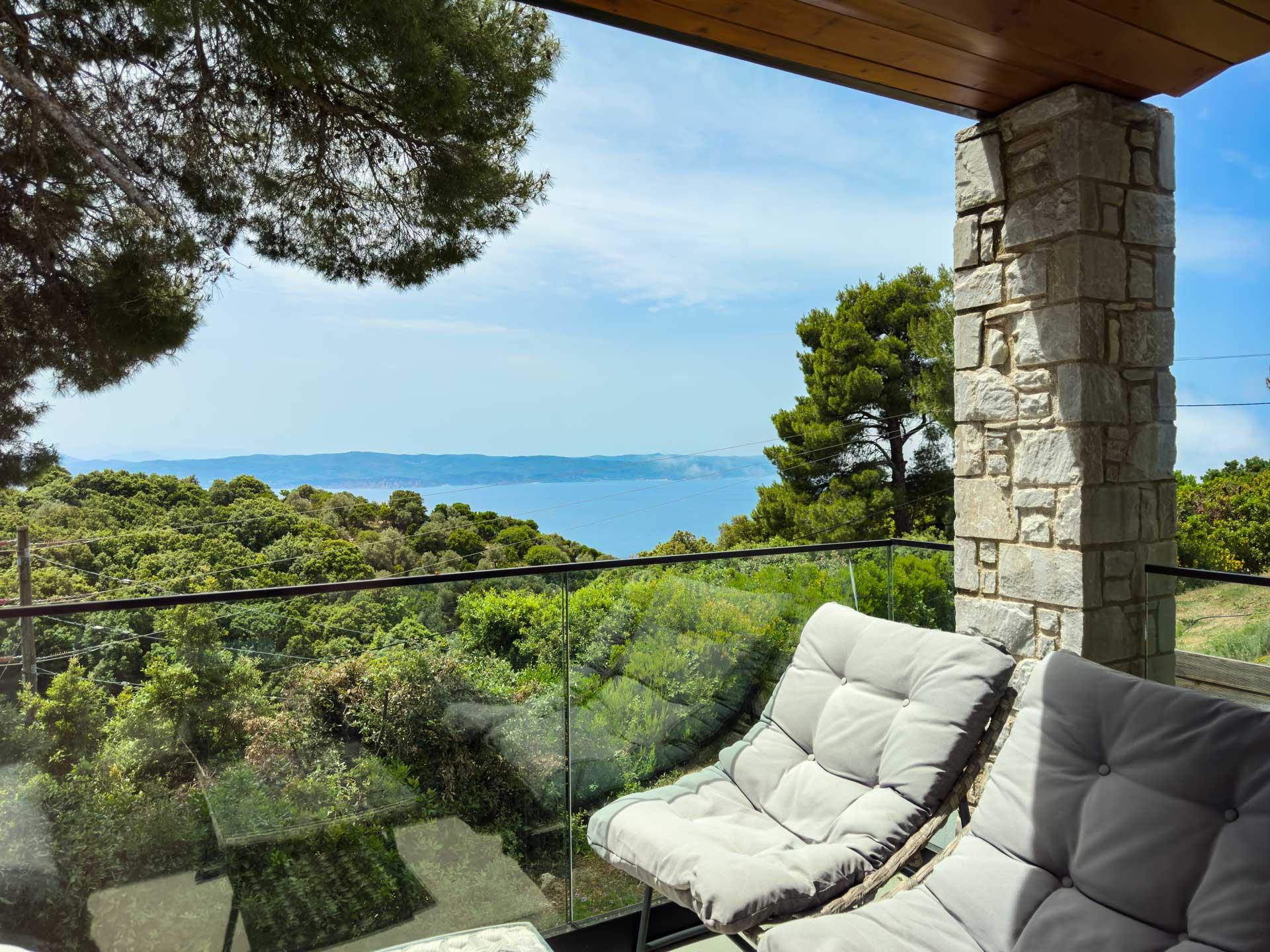
Natural shade: 60% pine forest means many beaches have tree cover. Less sunburn risk, more comfortable for small children.
The atmosphere: Relaxed, family-oriented vibe. Not a party island. Tavernas welcome children warmly. Greeks bring their own kids out late-you won't feel judged for an 8pm dinner with toddlers.
Getting there: 30-minute flight from Athens. Direct summer flights from UK and Europe. Ferries from Volos (2.5 hours) if you're driving through Greece.
Considerations:
- Smaller island means fewer "attractions" in the traditional sense
- Less historical sightseeing than Rhodes or Crete
- Seasonal (May-October primarily)
- You'll want a car for maximum flexibility
The Villa Advantage for Families
Wherever you go, accommodation choice matters enormously with kids.
Hotels can work, but they come with constraints:
- Fixed meal times that may not match children's schedules
- Shared pools with competition for loungers
- Small rooms that feel cramped with travel cots and luggage
- Noise from corridors and neighboring rooms during nap time
- Limited space for toys, books, and the general chaos of traveling with children
A private villa changes the equation:
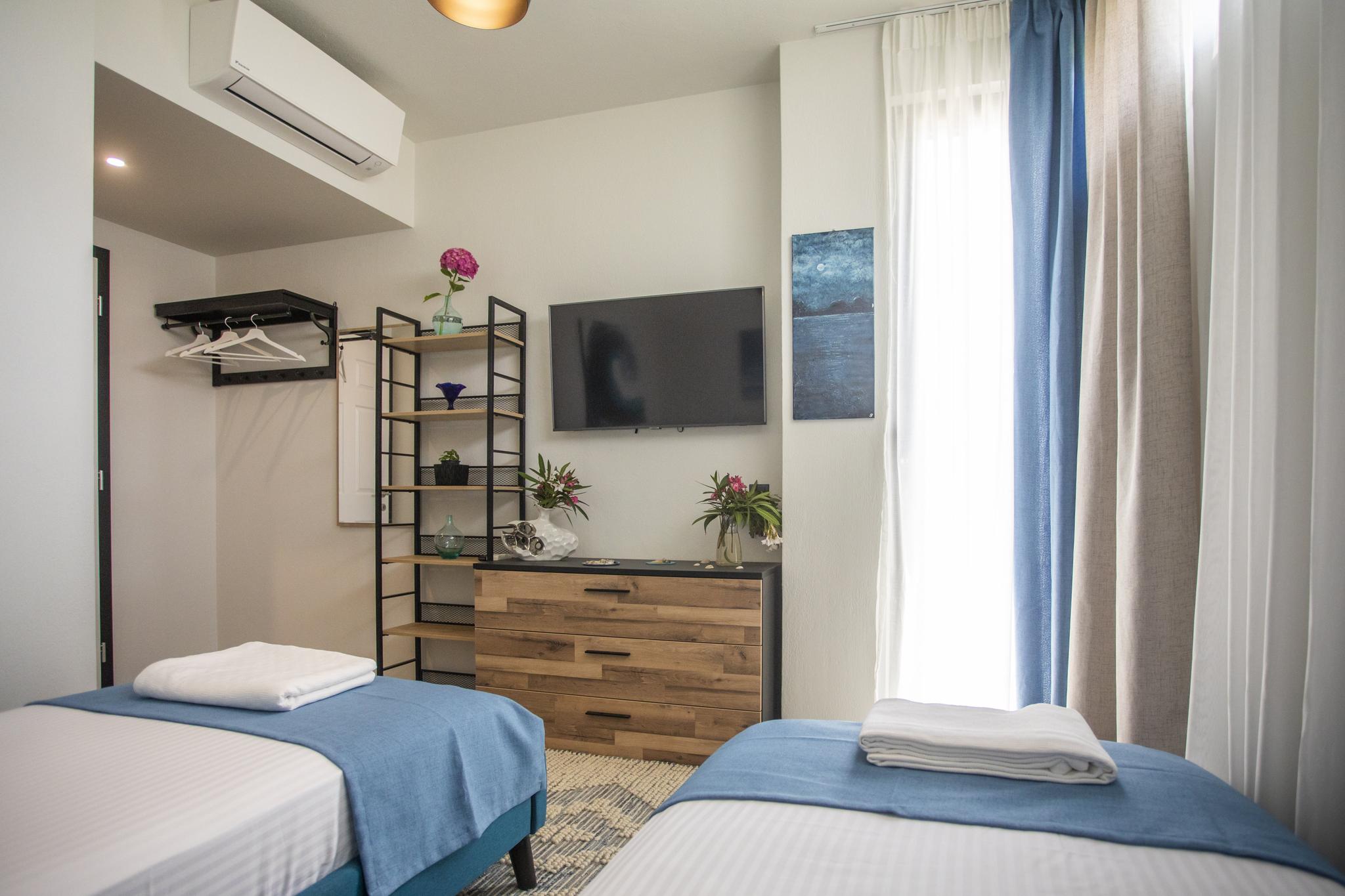
Space: Three bedrooms mean kids can have their own room. Parents get privacy. Everyone can spread out without tripping over each other.
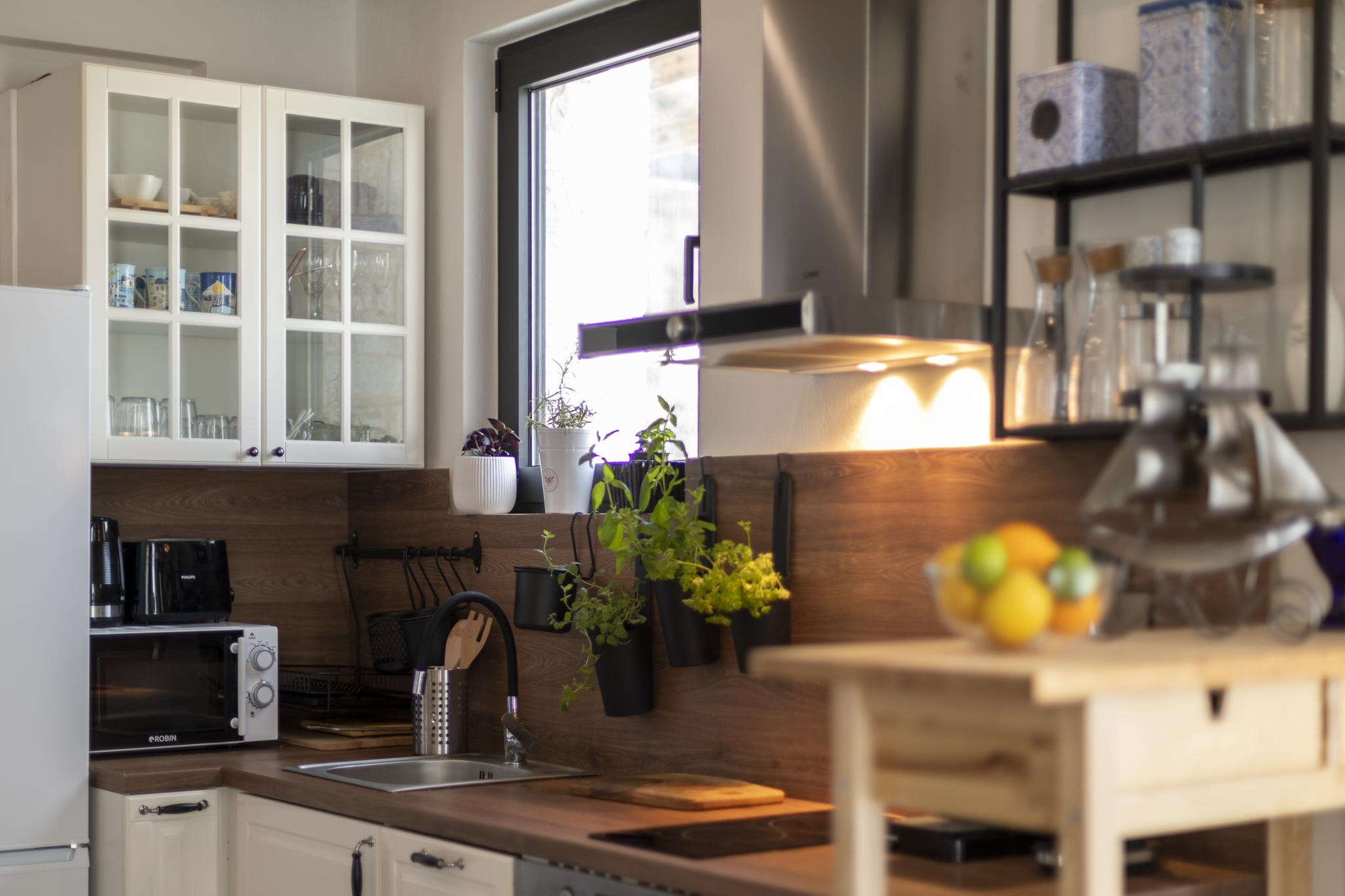
Kitchen: Snacks available when hungry. Breakfast at whatever time works. Simple meals on days when a restaurant feels like too much effort. Easy to accommodate dietary restrictions or picky eaters.
Private pool: No fighting for loungers. Swim at 6am or 9pm-whenever suits your schedule. Kids can be as loud as they want. No anxiety about disturbing other guests.
Flexibility: No checkout-by-10am pressure on your last day. No waiting for housekeeping before nap time. The villa operates on your family's rhythm, not the hotel's.
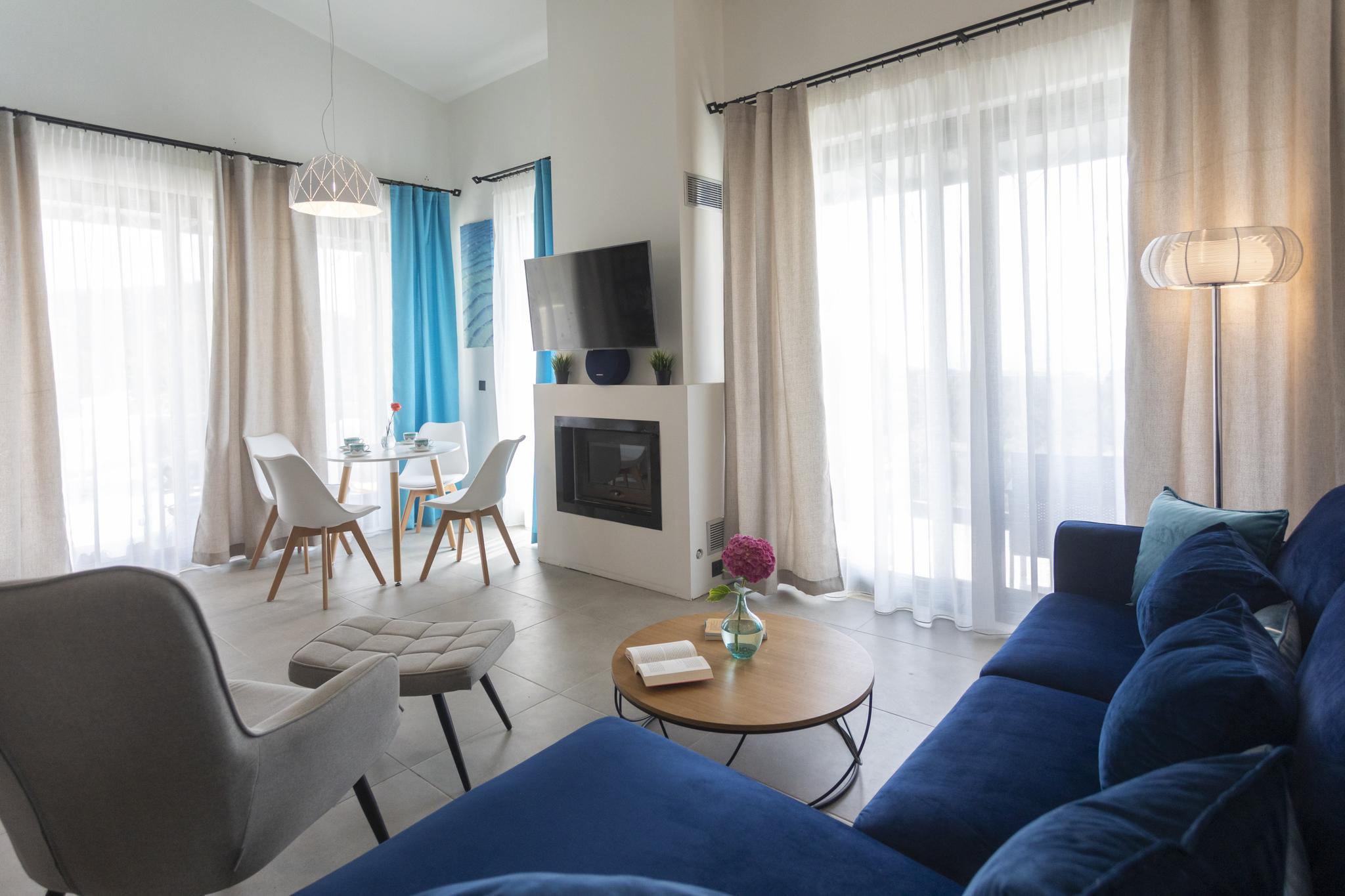
Outdoor space: Terraces for evening drinks after kids sleep. Gardens for toddlers to explore. Space to exist without feeling contained.
Value calculation: A 3-bedroom villa sleeping 6 often costs less than three hotel rooms-while providing enormously more space and flexibility.
Timing Your Trip
June: Excellent choice. Warm enough for swimming (24-28°C), not yet peak crowded, prices 20-30% lower than July-August. Long days, reliable weather. Many families with school-age children can't travel yet, so beaches are quieter.
July-August: Peak season. Hottest weather (30-35°C). Most expensive. Most crowded. But school holidays mean this is when most families travel. Book accommodation 6-9 months ahead.
September: The sweet spot if your kids aren't yet in school (or you can pull them out). Sea temperature at its warmest. Crowds thinning. Prices dropping. Weather still excellent. Mid-September is arguably the best two weeks of the year.
What to avoid: Easter week is busy and expensive. The week around August 15 (Assumption holiday) sees Greeks traveling too-everything is crowded and prices peak.
Our Honest Recommendation
For families who prioritize:
- Easy logistics + great beaches: Skiathos
- Variety and adventure: Crete (with 2+ weeks)
- Budget-friendly Cycladic experience: Naxos
- History + beaches: Rhodes
- Calm seas + green landscape: Corfu (accept the humidity)
If we had to pick one island for a family with young children who want a relaxing week with excellent beaches and minimal logistical stress, it would be Skiathos.
The compact size means no wasted time driving. The beaches are genuinely excellent for kids-sandy, shallow, often shaded. The atmosphere is welcoming without being overwhelming. And a private villa in a quiet area gives you the space and flexibility that makes traveling with children actually enjoyable.
Making It Work
If you're considering Skiathos with kids, a few practical notes:
Beaches for families: Koukounaries has facilities and is justifiably famous. Troulos is smaller and often less crowded. Vromolimnos has a beach bar but also plenty of space. Agia Paraskevi is calm and organized.
Car rental: Worth it for flexibility, though a bus runs along the southern beaches. Driving is easy-the island is small and roads are decent.
Where to stay: The Kechria area offers quiet, elevated settings away from town noise-ideal for nap times and early bedtimes. Close enough to beaches and tavernas (10-15 minutes), far enough for genuine peace.
Day trips: Ferry to Skopelos (the Mamma Mia island) takes 45 minutes-a nice change of scene for a day.
More on choosing your island: See our comparison posts on Skiathos vs Crete and Skiathos vs Corfu.
Planning your stay: Our travel guide covers getting to Skiathos, getting around, and what to expect.
At Damari Luxury Villas, we host families regularly in our two private villas. Each has 3 bedrooms (sleeping up to 6), a private infinity pool, full kitchen, and outdoor terraces-everything families need for a comfortable stay. The quiet Kechria location means peaceful evenings and undisturbed nap times, while beaches and tavernas are just 10-15 minutes away. Explore our villas or contact us to discuss your family trip.