Most travellers planning a Greek island holiday end up looking at the Cyclades: Santorini, Mykonos, Paros. The Sporades sit quietly to the north, in the Aegean off the coast of Thessaly, and get a fraction of the attention. That is part of their appeal.
The archipelago is greener, cooler in summer, and dotted with pine forests that run right down to the water. There are roughly two dozen islands in the group, but only four are inhabited at any scale: Skiathos, Skopelos, Alonissos and Skyros. Together they make one of the most underrated regions in Greece for a slower, more nature-led trip.
This guide covers what the Sporades are, how the islands differ, and how to plan a 2026 visit, including the case for using Skiathos as your base.
Quick Map of the Sporades
From west to east, the four main inhabited islands form a loose line across the northwest Aegean:
- Skiathos - the westernmost and busiest, with the only international airport in the group.
- Skopelos - just east of Skiathos, larger, greener, and famous as the Mamma Mia island.
- Alonissos - further east, the gateway to the National Marine Park of Alonissos and the Northern Sporades.
- Skyros - the outlier, sitting on its own well to the southeast, culturally distinct and harder to reach.
Smaller uninhabited or barely inhabited islets - Tsougria, Kyra Panagia, Gioura, Piperi, Psathoura - sit between Alonissos and Skyros and are mostly visited on boat trips through the marine park.
For broader context, the Wikipedia entry on the Sporades gives a useful overview of the geography and history.
How the Sporades Differ from the Cyclades
The Cyclades are dry, treeless and famous for whitewashed cubic houses against blue domes. The Sporades are the opposite in almost every respect.
- Landscape: Pine forests, olive groves, fresh water springs. Skopelos in particular is one of the greenest islands in Greece.
- Architecture: Whitewashed houses too, but with grey slate roofs (Skopelos) or red-tiled roofs, and far more wood and stone.
- Climate: Summer temperatures average a few degrees cooler than the Cyclades, and the wind regime is different - the meltemi is less ferocious here.
- Crowds: Even Skiathos in peak August is calmer than Mykonos. Alonissos and Skyros are properly quiet.
- Sea: The waters around Alonissos sit inside Europe's largest marine protected area, which keeps them remarkably clear.
If you want nightlife and Instagram landmarks, the Cyclades still win. If you want green hills, swimmable coves and a sense of the older, quieter Greece, the Sporades are the better choice.
Sporades Islands Compared
| Island | Size | Population | Airport | Best For | Vibe |
|---|---|---|---|---|---|
| Skiathos | 49 km² | ~6,100 | Yes (JSI) | Beaches, nightlife, easy access | Lively, well-equipped base |
| Skopelos | 96 km² | ~4,900 | No (ferry only) | Villages, hiking, Mamma Mia sites | Green, traditional, peaceful |
| Alonissos | 64 km² | ~2,750 | No (ferry only) | Marine park, diving, nature | Remote, unspoilt |
| Skyros | 209 km² | ~3,000 | Small domestic airport | Crafts, horses, isolation | Distinct, slow, off-grid |
Skiathos: The Gateway Island
Skiathos is the smallest of the four main islands by land area but the most visited, and the only one with regular international flights. That makes it the practical entry point to the Sporades for most travellers.
The island is best known for its beaches. Koukounaries, on the south coast, is regularly listed among the best in Greece - a long curve of fine sand backed by a protected pine forest and a brackish lagoon. Lalaria, on the wild northern coast, is reachable only by boat and famous for its white pebbles and arched rock formation. In total the island claims more than sixty beaches; we cover the highlights in our Skiathos beaches guide.
Skiathos Town sits on the southeast coast, with two harbours, narrow lanes, and enough tavernas, bars and shops to keep you busy for several evenings. The airport runs scheduled flights from across Europe through the summer season - practical detail in our guide on how to get to Skiathos.
On the water, the island is set up for activity: organised boat trips, sailing day cruises, snorkelling and shore diving. Our boat trips and sailing guide and the water sports, diving and snorkelling guide cover the main operators and routes.
Skopelos: Mamma Mia Country and Glossa Village
Skopelos is the second-largest Sporades island and, for many visitors, the most beautiful. It is almost entirely covered in pine forest, with plum and almond orchards inland and a coastline of pebble coves rather than sand.
The island is best known internationally as the filming location for Mamma Mia! (2008). The cliffside chapel of Agios Ioannis Kastri - the wedding scene location - sits on a rocky outcrop on the north coast, reached by climbing around 200 steps. Kastani Beach, on the west side of the island, was the main beach location.
Beyond the film locations, two settlements are worth your time:
- Skopelos Town (Chora): An amphitheatre of white houses and slate roofs above a working harbour, with churches scattered through the alleys and excellent tavernas in the back streets.
- Glossa: A traditional village in the north of the island, above the small port of Loutraki. It feels older and more lived-in than Chora, and the sunset views from its edge are some of the best in the Sporades.
If you are weighing Skopelos against Skiathos for a longer stay, our Skiathos vs Skopelos Mamma Mia comparison goes into more detail.
Alonissos: National Marine Park and the Monk Seal
Alonissos is where the Sporades become genuinely wild. The island itself is small and pine-covered, with a handful of villages, one main port (Patitiri) and the old hilltop capital (Chora) rebuilt after a 1965 earthquake.
What sets Alonissos apart is the water around it. The National Marine Park of Alonissos and the Northern Sporades was established in 1992 and covers roughly 2,260 km², making it the largest marine protected area in Europe. It includes Alonissos itself and the uninhabited islets to the northeast: Peristera, Kyra Panagia, Gioura, Psathoura and Piperi.
The park was created largely to protect the Mediterranean monk seal (Monachus monachus), one of the rarest marine mammals in the world. Current global population estimates sit at around 700 individuals, with a significant share living and breeding in the Sporades. The species is listed as Endangered on the IUCN Red List, and the conservation work in the park is run with the Greek non-profit MOm - see mom.gr for current information.
You are unlikely to see a seal on a casual visit. The point is that the wider ecosystem - clear water, healthy fish stocks, undisturbed sea caves - is protected enough that everything else benefits. Alonissos has some of the best diving in Greece, including the Peristera shipwreck site, an ancient cargo vessel now open to recreational divers as an underwater museum.
Most visitors reach Alonissos either by ferry from Skopelos or on a combined Skopelos and Alonissos boat tour from Skiathos. We cover the options in our day trips from Skiathos guide.
Skyros: Skyrian Horses and Northern Isolation
Skyros is the largest of the four main Sporades but the least connected. It sits well to the southeast of the others and is not reached by the main Skiathos ferry routes. Most travellers get there by ferry from Kymi on the mainland island of Evia, or by domestic flight from Athens.
The island is effectively split in two:
- Southern Skyros (Vouno): Rocky, mountainous, sparsely populated, with goats and rare birds. This is where the wild Skyrian horses live - a small, ancient breed sometimes described as a pony, with a population that has dropped to around 300 individuals and is now actively protected.
- Northern Skyros: Greener and more populated, with farmland, pine forest, and the main villages.
Skyros Town (Chora) sits on the east coast, clinging to a rock topped by a Venetian castle. The local craft tradition is unusually strong: hand-carved wooden furniture, ceramics, and embroidery are still produced on the island.
Skyros is not a natural add-on to a Skiathos-based trip - the logistics rarely work in a one-week holiday - but it deserves a mention as part of any honest guide to the archipelago. If you have two weeks and an interest in slower, more cultural travel, it earns a few days on its own.
How to Island-Hop in the Sporades
The practical hub for island hopping is Skiathos New Port, which has multiple daily ferry departures throughout the summer season.
- Skiathos to Skopelos: 30 minutes to just over an hour, depending on the operator. Multiple sailings per day.
- Skiathos to Alonissos: Around 1 hour 30 minutes to 2 hours, often via Skopelos.
- Skiathos to Skyros: No direct ferry. Reached via Kymi on Evia or by domestic flight.
Operators include Aegean Flying Dolphins (hydrofoils), Seajets (high-speed catamarans) and conventional ferries. Schedules thin out significantly between November and April.
For visitors not wanting to manage ferries themselves, day-trip boat operators in Skiathos Old Port run combined Skopelos–Alonissos cruises with swimming stops, lunch on board, and a sail through parts of the marine park. These are the simplest way to see all three western Sporades in a single day.
The Visit Greece tourism site keeps a useful overview of the islands, although operator-level information is more reliable through the ferry booking platforms.
Where to Base Yourself: The Case for Skiathos
If you are choosing one island as a base for the Sporades, Skiathos is the obvious answer for most travellers.
- Direct flights. Skiathos is the only island in the group with a full international airport, with summer connections from the UK, Germany, the Netherlands, Scandinavia and elsewhere. Reaching Skopelos or Alonissos always involves an additional ferry leg.
- Central position. Skiathos sits at the western end of the archipelago, but it is the connecting point. From here, Skopelos and Alonissos are easy day trips. From Skopelos or Alonissos, getting to Skiathos for an evening flight home means careful ferry planning.
- More amenities. Restaurants, supermarkets, car hire, pharmacies, doctors, late-night options - Skiathos has more of everything than the other islands.
- More to do on the island itself. Sixty-plus beaches, a lively town, a wide range of boat trips and water sports. You can easily spend a week on Skiathos without running out of things to do.
The trade-off is that Skiathos is the busiest of the four islands in peak season. That is real, but it is mostly concentrated around Skiathos Town and a handful of south-coast beaches. The northern and western parts of the island - including the Kechria area where our villas sit - stay quiet even in August.
Best Time to Visit the Sporades
- May to mid-June: Warm but not hot, sea around 20–22°C, wildflowers, low crowds. Excellent for hiking and exploring.
- Mid-June to early July: Reliable sun, sea warming up, busier but not packed.
- Mid-July to August: Peak season. Hot, busy, all boat trips and tavernas running at full capacity. Book accommodation and ferries in advance.
- September: Often the sweet spot. Warm sea (often 24–25°C), thinning crowds, mostly settled weather.
- October: Quieter, cooler, some businesses closing in the second half of the month. Still pleasant for slower travel.
- November to April: Most of the tourism infrastructure shuts down. Skiathos has a small year-round population and a handful of open tavernas, but ferries and flights run at reduced frequency.
Planning Your Sporades Trip
A workable structure for a first visit:
- 5–7 days: Skiathos as a base, one day to Skopelos, one day on a boat trip including parts of the marine park or Lalaria, the rest split between beaches and rest.
- 10–14 days: Skiathos plus a few nights on Skopelos or Alonissos, or a longer trip incorporating Skyros if you are willing to add an internal flight.
- Honeymoon or anniversary trip: A single villa base on Skiathos with private boat charters to the quieter islands tends to work better than constantly moving accommodation.
Whichever pattern you choose, booking ferries in advance for July and August is sensible, and accommodation on Skiathos in particular fills up six to nine months ahead for the peak weeks.
Sporades FAQ
What are the Sporades islands? The Sporades are a group of Greek islands in the northwest Aegean, off the coast of Thessaly. The four main inhabited islands are Skiathos, Skopelos, Alonissos and Skyros.
Which Sporades island is best? For a first visit with easy access and the most variety, Skiathos. For green landscapes and traditional villages, Skopelos. For unspoiled nature and the marine park, Alonissos. For isolation and craft culture, Skyros.
Can you island-hop the Sporades easily? Yes, between Skiathos, Skopelos and Alonissos. Daily ferries connect all three in summer. Skyros is harder to combine because it has no direct ferry from the other Sporades.
Where is the Mamma Mia island? Skopelos is the main filming location for Mamma Mia! (2008), including the iconic cliffside wedding chapel of Agios Ioannis Kastri. Some scenes were also shot in Skiathos and on the Pelion peninsula.
How big is the Alonissos Marine Park? The National Marine Park of Alonissos and the Northern Sporades covers approximately 2,260 km², making it the largest marine protected area in Europe.
How many Mediterranean monk seals are left? Current estimates put the global Mediterranean monk seal population at around 700 individuals, with the Sporades marine park hosting one of the most important breeding populations.
Choosing your base: Compare Skiathos and Skopelos in detail, or jump straight to day trips from Skiathos if you have already settled on the obvious base.
Getting there: Our guide on how to get to Skiathos covers flights, ferries and onward travel within the Sporades.
On the water: See the boat trips and sailing guide, the beaches guide, and the water sports, diving and snorkelling guide for what to do once you are based on Skiathos.
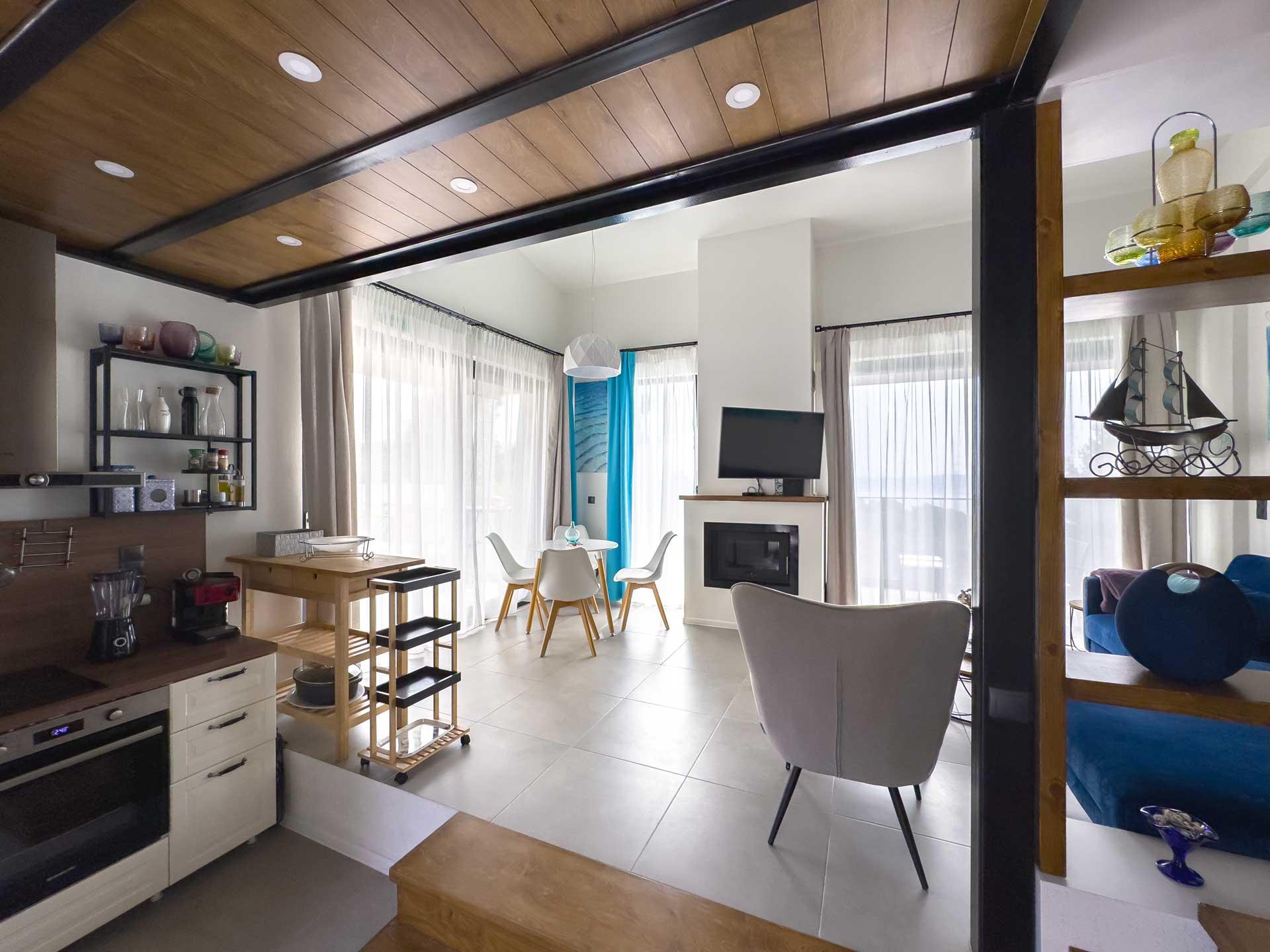
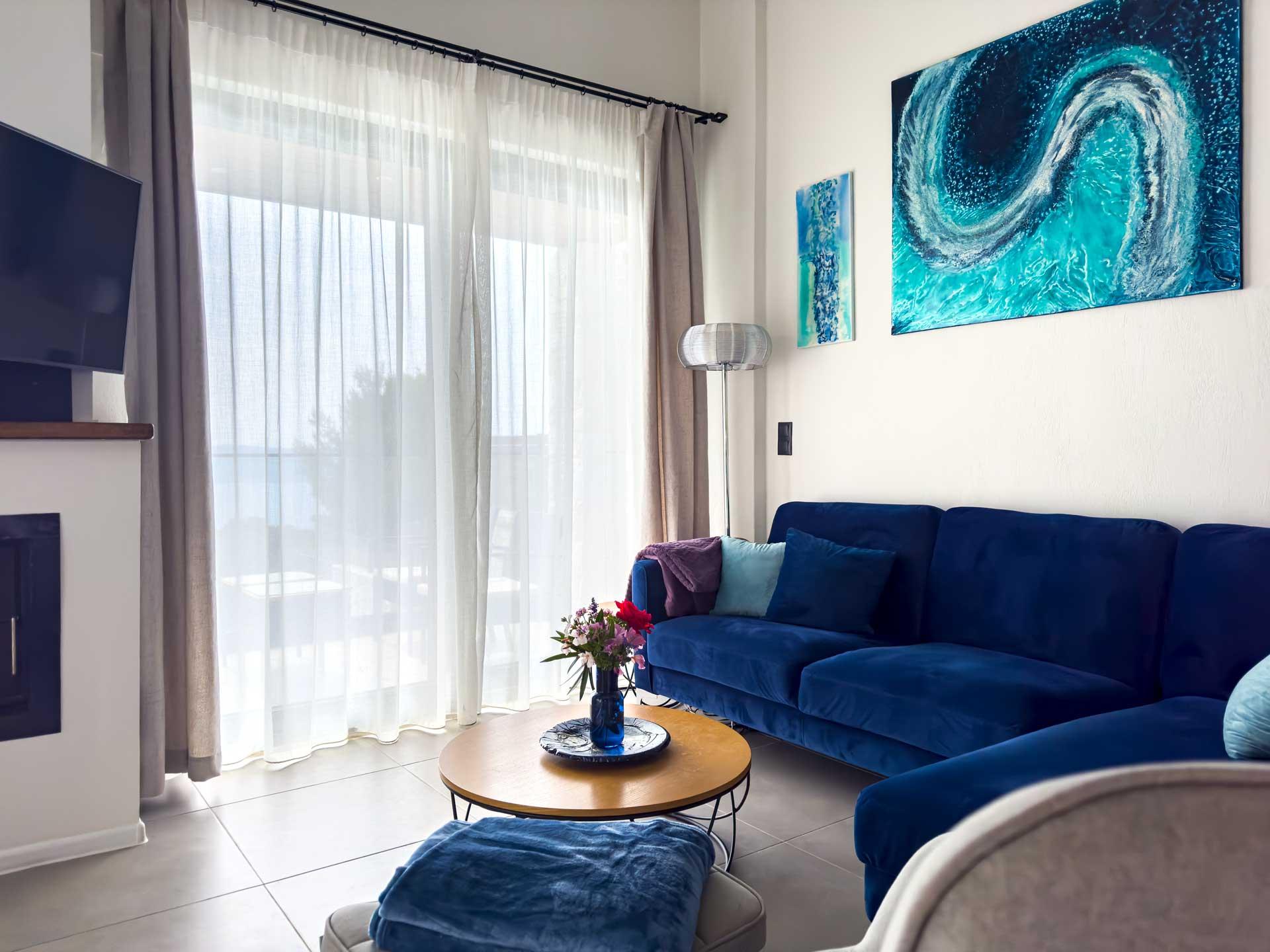
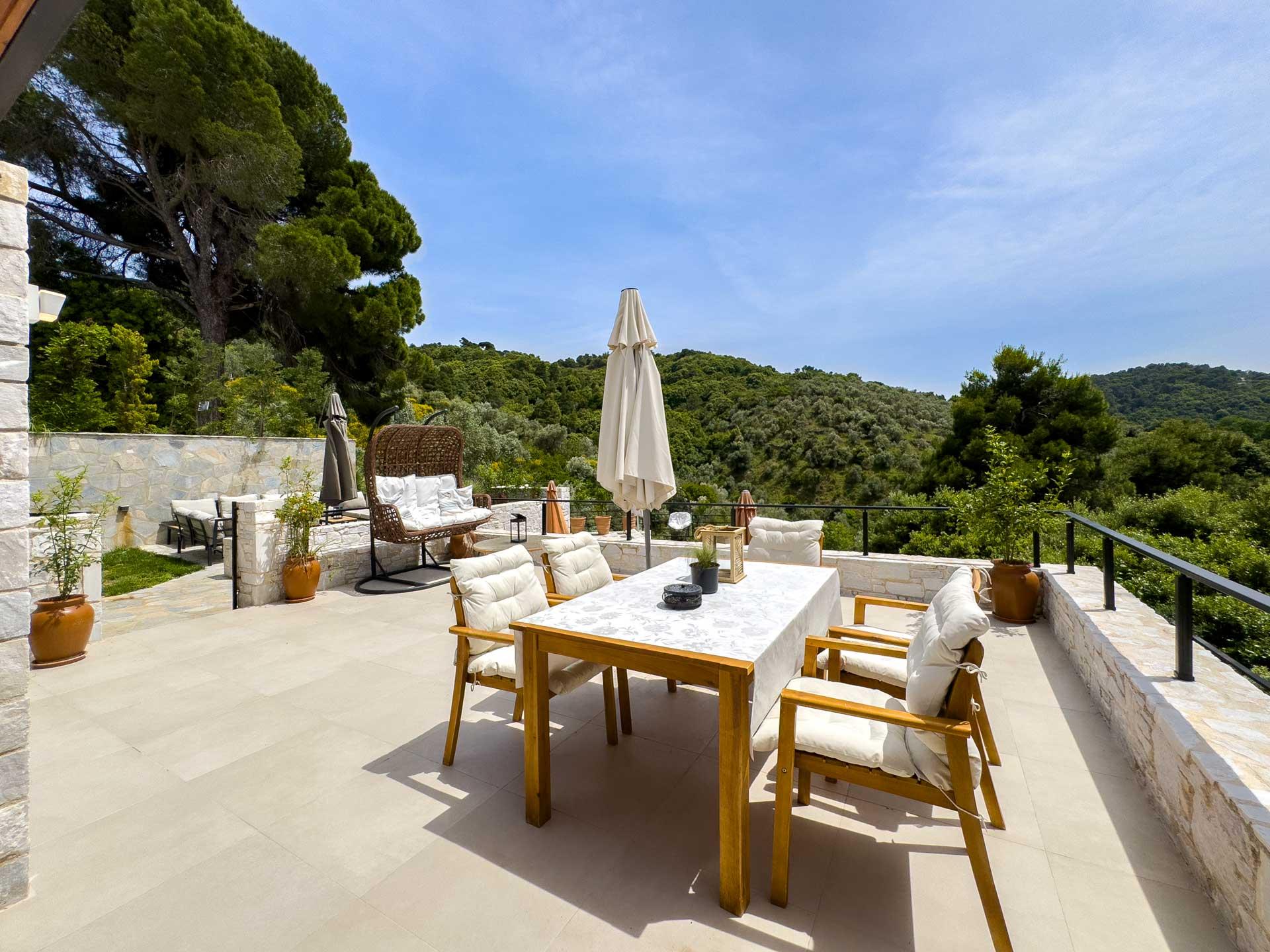
At Damari Luxury Villas, our villas sit in the Kechria area on the quieter northern side of Skiathos - close enough to the port for easy day trips through the Sporades, far enough from town for the pine-forest calm the archipelago is known for. Villa Moondancer and Villa Whispering Pines both come with private pools and full kitchens, ideal after a long day on the water. Explore the villas or contact us for help planning your Sporades trip.